
SEDC Probe: Accountability Must Not Be Selective, Says Anambra Social Affairs Analyst

SEDC Probe: Accountability Must Not Be Selective, Says Anambra Social Affairs Analyst
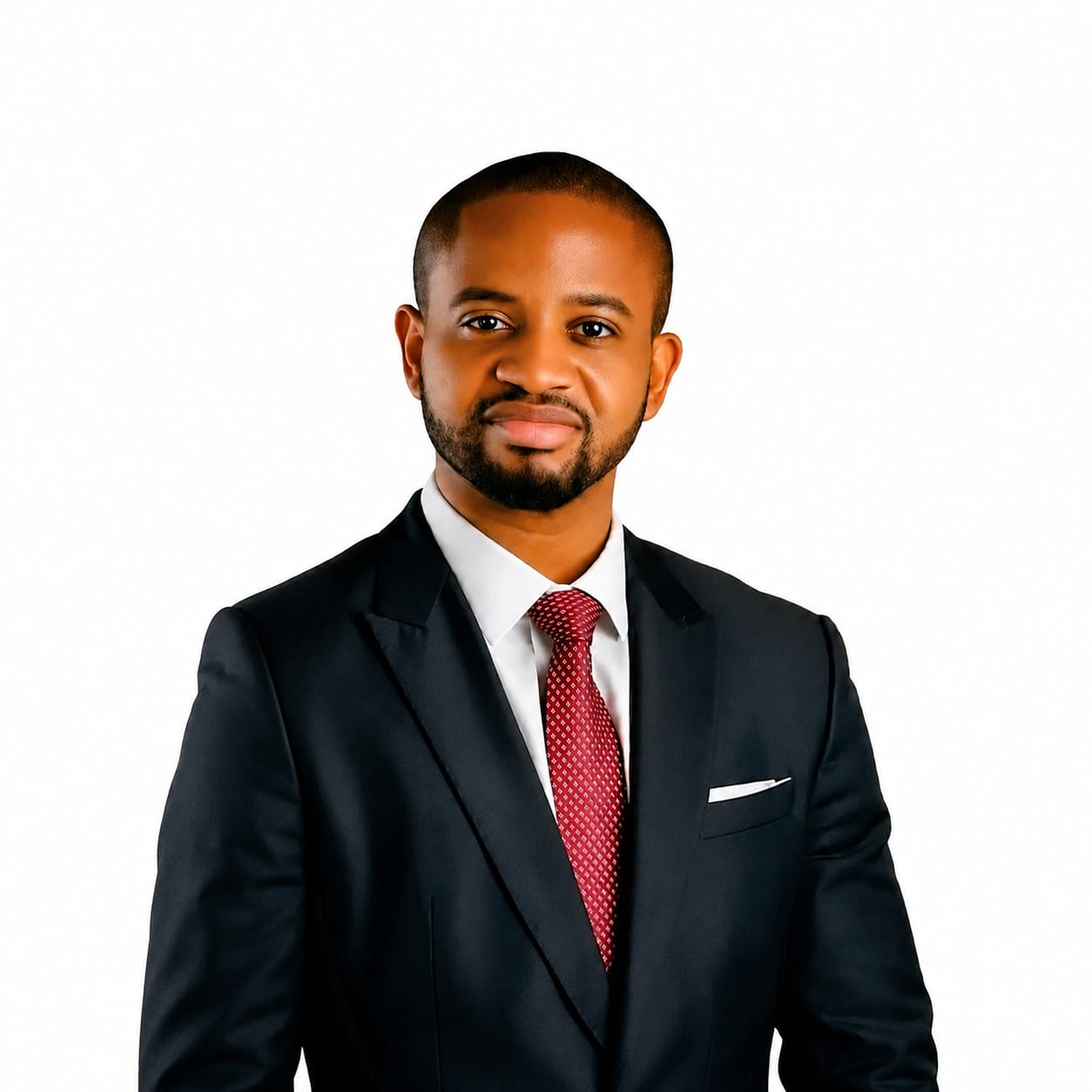
An Anambra-based youth leader, Mr. Alex Nwankwo has spoken on the recent appearance of the Managing Director of the South East Development Commission (SEDC), Mark Okoye before the Senate, insisting that the investigative session involving the Commission should not be turned into a platform for political score-settling.
In a statement titled "SEDC, When Accountability Becomes Selective," Nwankwo argued that while public institutions and office holders must be subjected to scrutiny, the standards of accountability must be applied consistently and without bias.
According to him, no one is opposed to oversight or transparency, but concerns arise when accountability appears to be selective and targeted.
"There is an old saying in politics: those who live in glass houses should be careful how enthusiastically they throw stones," he said.
He noted that several political figures now projecting themselves as champions of accountability had themselves occupied positions of authority where they managed substantial public resources, adding that their own records remain open to public examination.
"It is therefore understandable why many citizens find it ironic when political actors whose own stewardship remains the subject of public debate suddenly assume the role of chief prosecutors of others," the analyst stated.
He remarked that the allegation that SEDC under Okoye is paying over N150m in a one-room office space is not correct, noting that the Senate may not have been properly briefed.
According to him, the office space is a duplex with other facilities, including conference room and training space to help the Commission function more effectively.
Mr. Nwankwo stressed that his intervention was not intended to excuse incompetence but rather to advocate consistency in the application of accountability principles.
"This is not a defence of incompetence. It is a defence of consistency. Accountability must never become selective. Oversight must never become personal. Public hearings must never become political theatre," he said.
He warned that the South East Development Commission, which was established to drive development in the region, was too strategic to be weakened by political controversies.
According to him, regional development commissions across the country are treated as critical institutions and should not become victims of internal political battles.
He expressed concern that recent developments have focused more on confrontations and dramatic exchanges than on the Commission's developmental agenda and project execution.
"Why are confrontations receiving more publicity than development plans? Why are dramatic exchanges receiving more attention than project execution? Why does it sometimes appear that embarrassing officials is becoming more important than helping institutions succeed?" he queried.
The youth leader observed that differing interpretations have emerged regarding the Senate investigative sitting, with some seeing it as legitimate oversight and others viewing it as political positioning and a struggle for influence.
He maintained that regardless of which perception is correct, the existence of such concerns should worry stakeholders because public confidence in institutions is shaped largely by perception.
Nwankwo argued that the issue goes beyond the personality of the SEDC Managing Director, saying the real stake is the future and credibility of the Commission itself.
"The greatest danger is not to Mark Okoye as an individual. The greatest danger is to SEDC as an institution. If the Commission succeeds, the South East wins. If the Commission fails, the South East loses," he stated.
He consequently urged political leaders in the region to prioritise strengthening institutions over generating controversies, stressing that history would judge them by the choices they make.
"The choice before our political leaders is therefore simple: build institutions or build controversies. History will judge them by which option they choose," he added.


